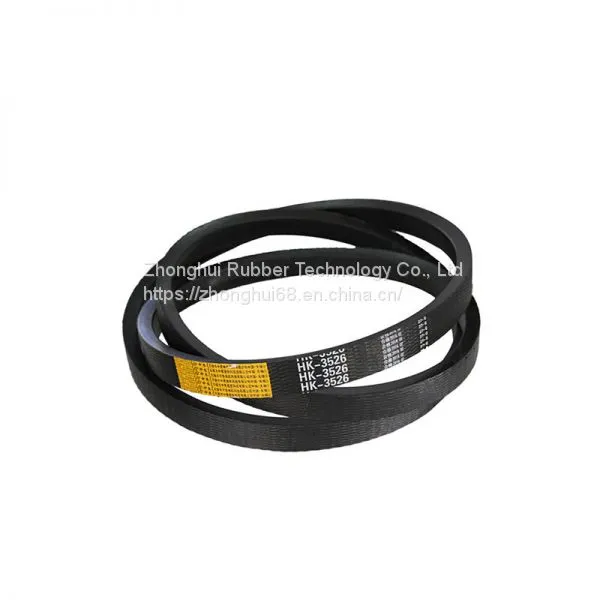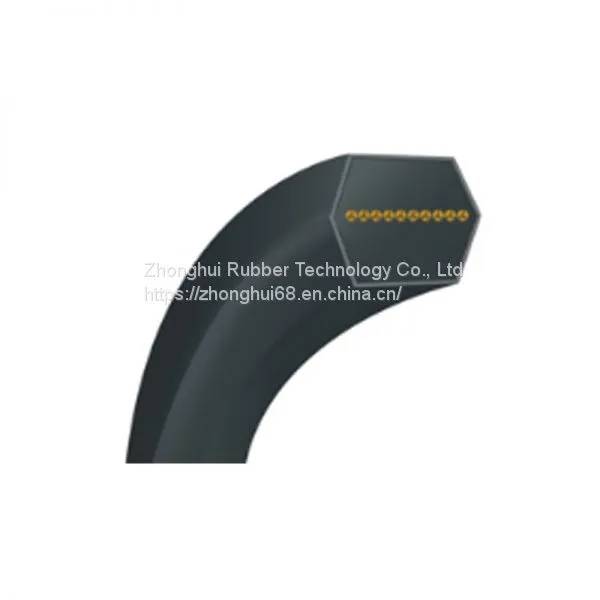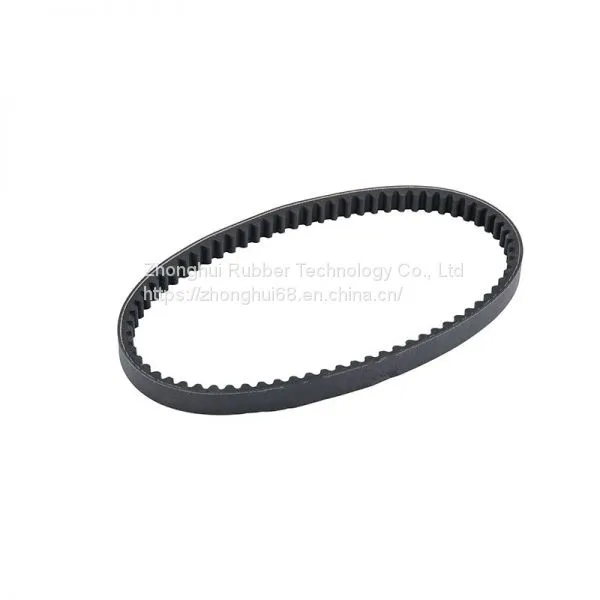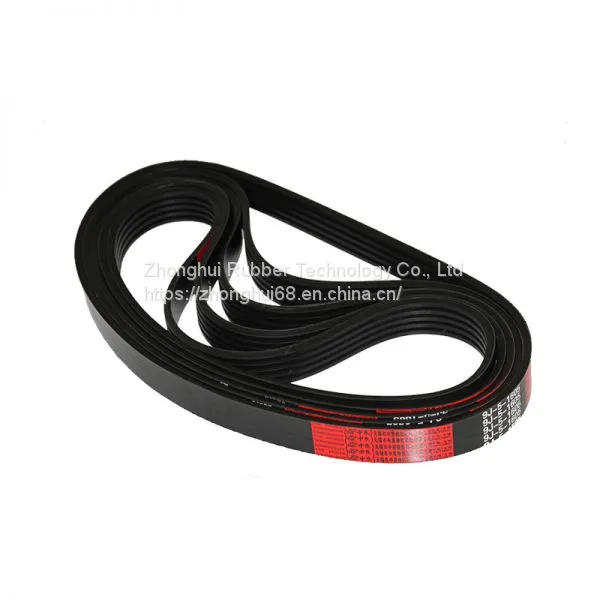

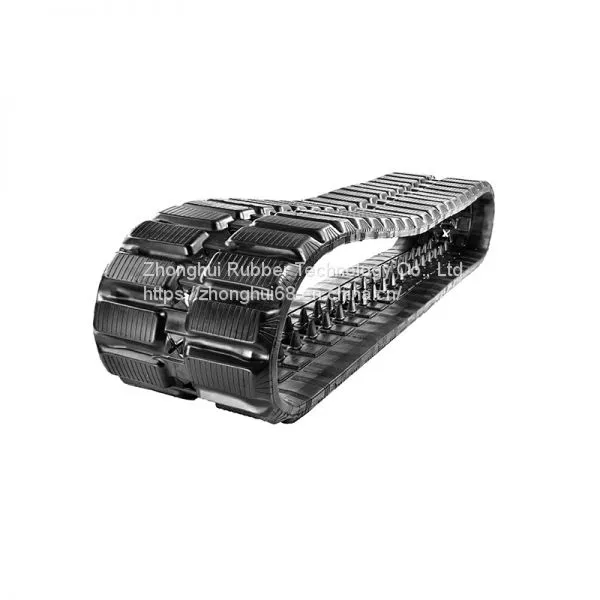
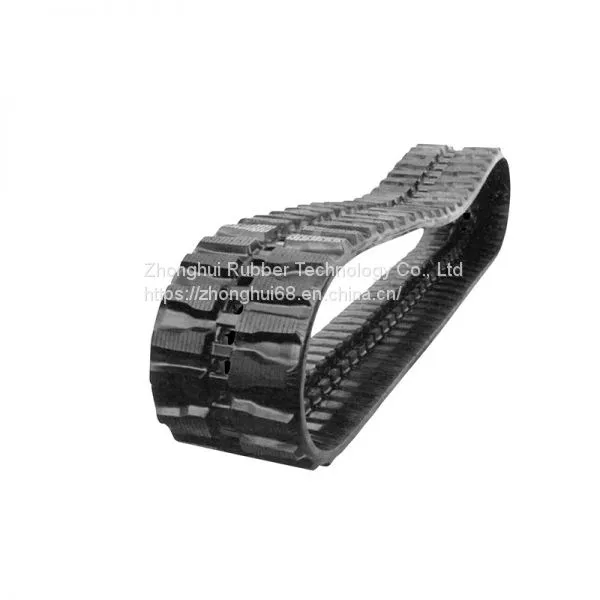
The Structure of The Rubber Track
The core metal is the load-bearing part of the Transmission Belt, which plays the role of power transmission and lateral support. It mainly uses ductile iron, cast iron forged steel or aluminum alloy and alloy steel sheet stamping forming combination, etc. Some tracks can use plastics. The design of the core metal should ensure its bending resistance, shear resistance, torsion resistance, wear resistance and lateral support capabilities, and no cracks and broken teeth will occur during the operation of the track. When the core metal is subjected to bending force, the maximum stress to maintain elastic deformation should not be less than 0.5 times the weight of the machine.
The strong layer is the traction element, which is the longitudinal tensile body of the Rubber Track, which bears the traction force and keeps the track pitch stable. The materials used in the strength layer are mainly galvanized steel wire, stainless steel wire, glass fiber, aramid or other high-strength and low-elongation synthetic fibers. The design of the tension layer should ensure the tensile strength of the track and keep the pitch stable.
The calculation of material strength should consider the effects of overload, mechanical damage and chemical corrosion. The designed longitudinal tension of the rubber track should be more than 5 times the weight of the machine. The design of the strength layer also needs to consider the reasonable combination of different materials, while ensuring the stability of the tensile strength and pitch, it improves the longitudinal flexibility and durability of the crawler and reduces the quality of the product. In addition, the reinforcing layer skeleton material needs to have good adhesion to rubber.

Rubber Track
The buffer layer bears the strong vibration and impact of the belt body, and withstands the deformation caused by the radial, lateral and tangential forces in the Track running, protects the strong layer from damage by external forces, and prevents the strong layer from friction with the core metal. The materials used in the buffer layer mainly include nylon cord and nylon canvas. The selection and arrangement of the buffer layer should ensure that it can strengthen and protect the strong layer, and it should also have the ability to absorb impact and resist damage to the belt by external forces such as puncture and cutting.
The rubber parts of the rubber track include pattern side rubber, bottom rubber, cord, cloth layer rubber, tooth rubber and wheel side rubber. Rubber parts provide walking ability and overall cushioning, shock absorption and noise reduction functions for the crawler. The main material is usually NR/SBR, NR/SBR/BR and NR/BR combined with rubber or polyurethane elastomer.
Recently Posted
-
Application Fields And Characteristics of Agricultural Belts
January 29, 2021Application fieldUsed in all types of agricultural machinery and equipment, such as harvesters, rice shellers, loaders, hedge cutters, harvesters, brush cutters and tillers, among which Combine Harvester Belt are the most used.Agricultural Beltfeature1.The exclusive blend of cotton/synthetic fiber can withstand the wedge effect of the Belt without slipping, and the polychloroprene treatment can ensure oilRead More -
Correct Use And Maintenance of V-Belt
January 29, 2021Belt transmission uses the friction or meshing between the Agricultural Transmission Belt and the pulley to transmit movement and power. Because the belt drive has the advantages of smooth transmission, simple structure, no need for lubrication and cushioning and vibration absorption, it is widely used in agricultural machinery. Pay attention to the following aspects in the use of V-belt:Agricultural Transmission BeRead More -
Talking About The Use, Characteristics of The Triangle Belt!
January 29, 2021V-belt, also known as V-belt, is one of the Transmission Belts with relatively large output, more varieties and wider applications. Since the first automobile fan belt was made in the United States in 1917 and used in industrial and agricultural machinery in the early 1920s, it has been prosperous for more than half a century and has developed rapidly. It has become the mainstream of transmission belts.In the transmRead More -
Reasons For The Failure Of The Triangle Belt
January 29, 20211) The transmission slips. When the tension of the V-Belt does not meet the requirements, the loose V-belt slips in the groove of the pulley, and the friction generated will cause the belt to heat up and accelerate its two sides to become smooth; and the smooth surface reduces the friction coefficient, resulting in It is easier to slip, forming a vicious circle. In addition, oil stains in the pulley grooves can alsoRead More

Contact Us
Recommended Products
-
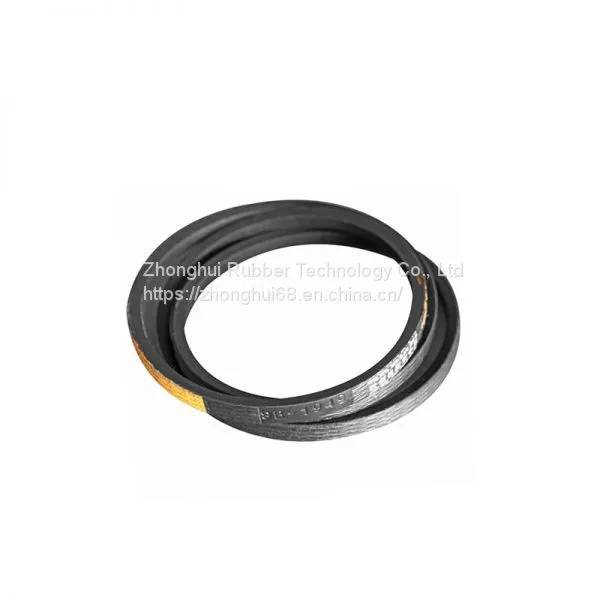
 Agricultural Classic Wrapped BeltsNegotiableMOQ: 50 Pieces
 -
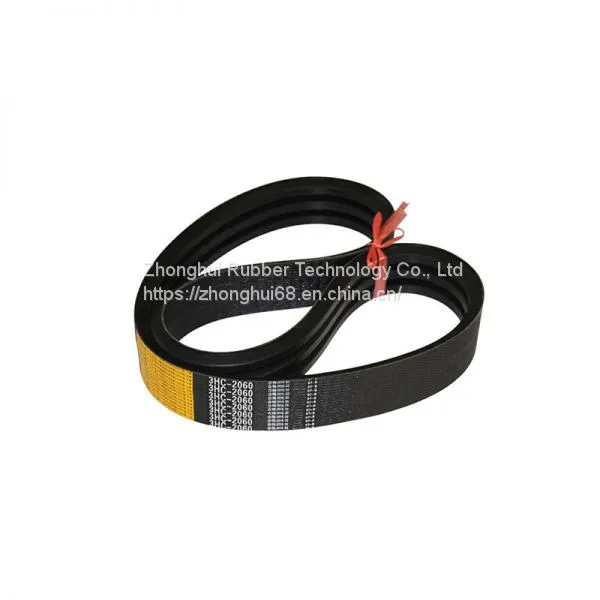
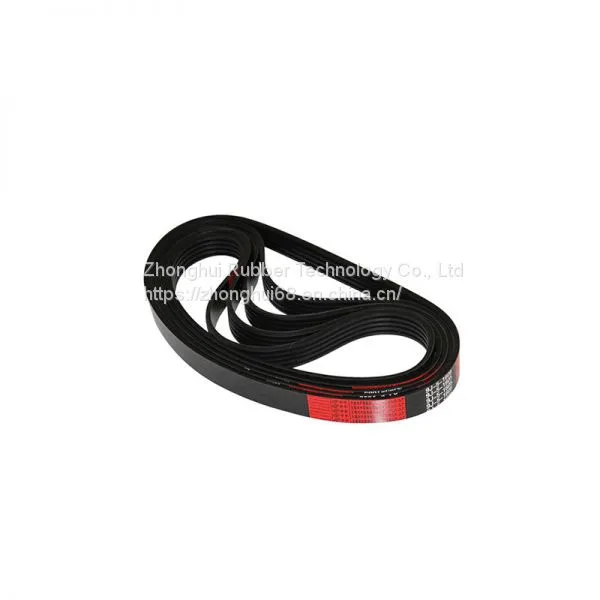
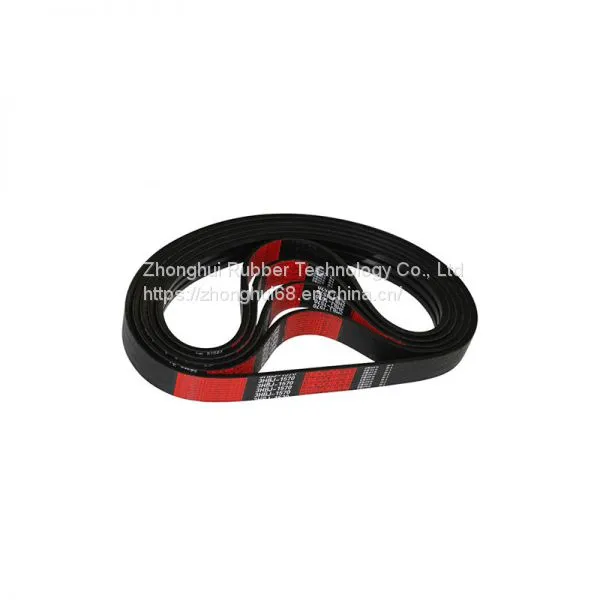
Agricultural Banded (Joined/Ribbed) Wrapped BeltNegotiableMOQ: 50 Pieces
-
Agricultural Banded(Joined/Ribbed) Wrapped BeltNegotiableMOQ: 50 Pieces
-
Agricultural Light Wrapped BeltsNegotiableMOQ: 50 Pieces
-
Agricultural Narrow Wrapped BeltsNegotiableMOQ: 50 Pieces
-
Agricultural Variable Speed REC (Raw Edge Cogged) BeltsNegotiableMOQ: 50 Pieces
-
Agricultural Double Angle (Hexagonal) Wrapped BeltNegotiableMOQ: 50 Pieces
-
Industrial BeltNegotiableMOQ: 50 Pieces
-
Industrial BeltNegotiableMOQ: 50 Pieces
-
Agricultural Double Cogged BeltsNegotiableMOQ: 50 Pieces